People of the Reef ·
The future of the Reef starts on land - meet the team working to make it happen.
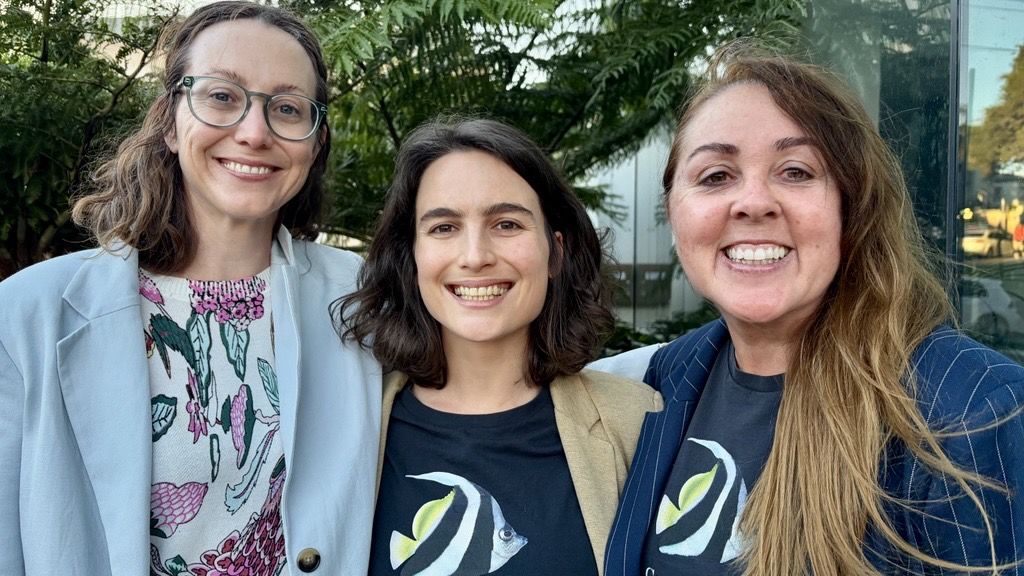
When you picture the Great Barrier Reef, you’re probably imagining colourful corals and turquoise waters. But for Susie, CJ, Clarissa, Meg and Julia, it often looks a little different. Think mangroves, muddy coastlines, sandy shores and seagrass meadows.
If you’ve ever visited the Great Barrier Reef, chances are you’ve travelled by boat from the mainland or stepped onto one of its many islands to explore its underwater world. But the Reef doesn’t begin and end with the corals beneath the surface. The coastlines you leave behind, the mangroves you spy along the shore and the seagrass meadows swaying gently in the current are all part of the same incredible ecosystem.
These habitats play a vital role in the Reef’s health. They provide homes and feeding grounds for wildlife, help maintain water quality and protect coastlines from erosion and storms. Yet, just like coral reefs, they’re facing growing pressures from pollution, coastal development and climate change.
That’s where Susie, CJ, Clarissa, Meg and Julia come in. Their work focuses on these essential but often-unsung parts of the Great Barrier Reef, helping to better understand, protect and care for the places that make the Reef so much more than its corals.
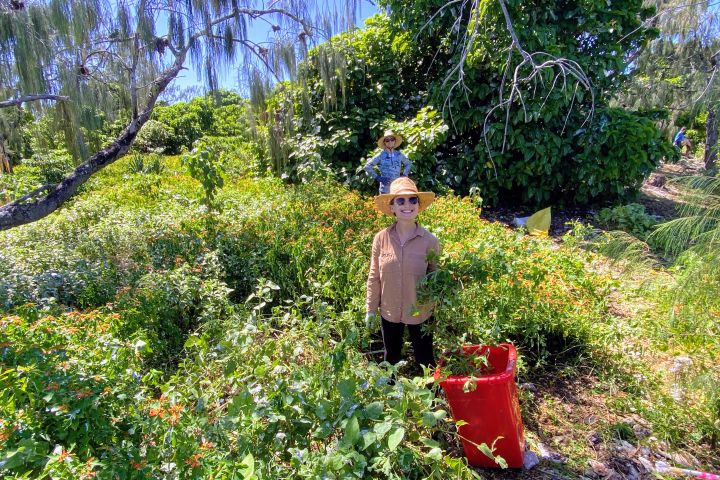
Clarissa Elakis, Reef Islands Senior Program Manager carrying out island weed management.
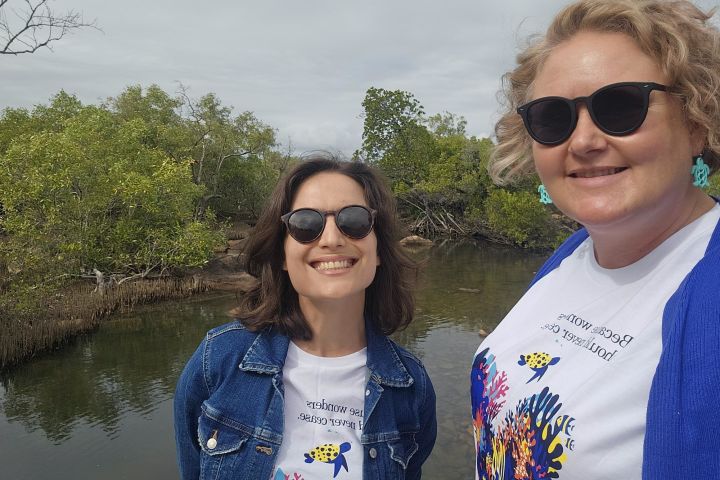
Clarissa and Program Manager Meg Connell on Yunbunan Magnetic Island.
Reef Islands
Across the Great Barrier Reef more than 1,000 islands and sandy cays form a vast network of habitats that support life across thousands of kilometres of ocean. Nesting grounds for migratory birds and turtles after long journeys across the globe, support systems for surrounding coral reefs and seagrass meadows and, in many cases, the only home for unique species found nowhere else.
For Clarissa Elakis, Senior Program Manager for Reef Islands, they also offer a microcosm of lessons in how we can care for the Reef. “Our islands are where all the pieces of the puzzle often come together,” she says. “You have different habitats, incredible biodiversity and strong connections with people. They’re also places where we can learn what works in restoring nature and how to apply those lessons elsewhere.”
Through the Reef Islands Initiative, Clarissa and her team are working to protect and restore islands, with the goal of creating a network of arks that can help safeguard biodiversity and support communities as the climate changes. Alongside research partners and coastal communities, they’re learning what each island needs and how best to care for it into the future. From revegetation at Lady Elliot Island to coral restoration in the Whitsundays, they're creating the blueprint for island restoration and protection at scale.
Clariss says that for her, the work is also a reason for hope, helping ensure future generations can experience the same wonder and joy these special places bring us today.
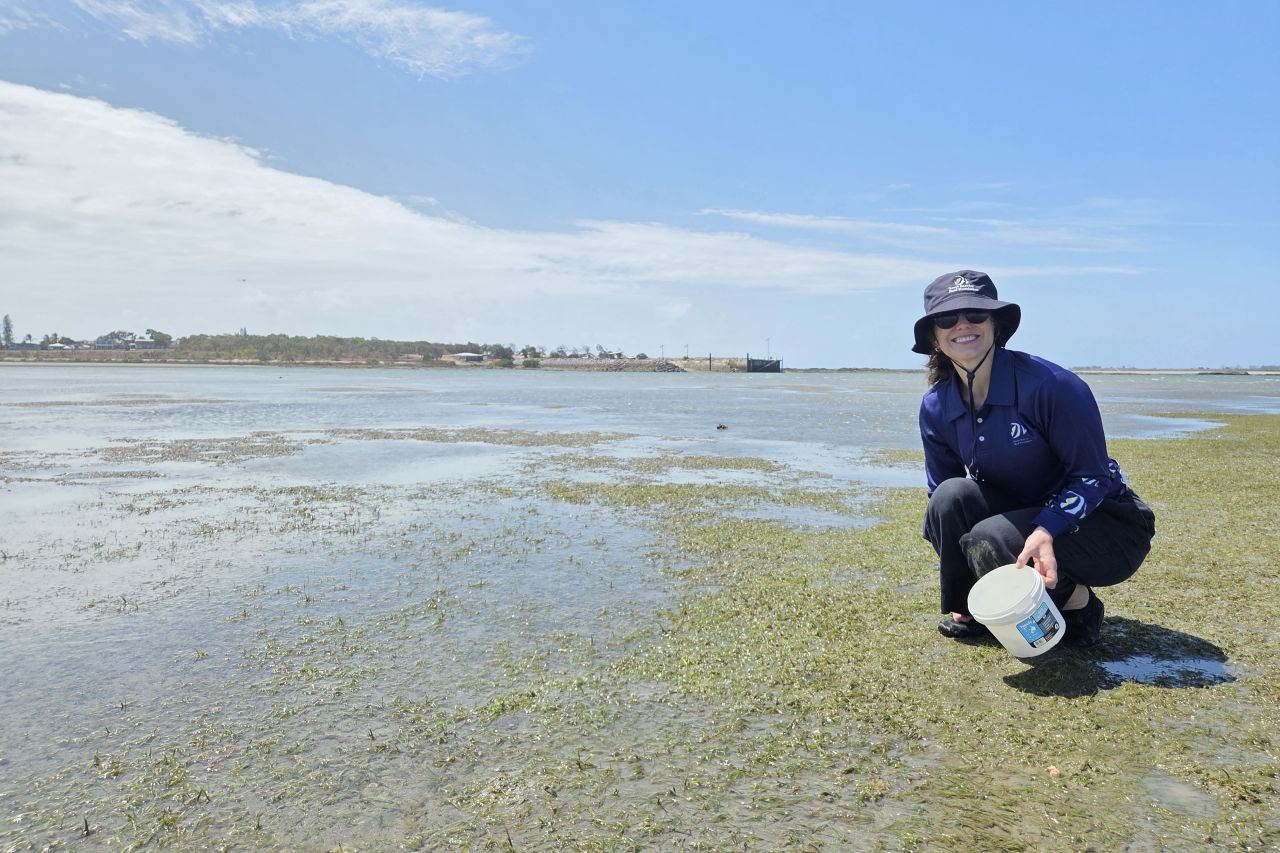
Susie Gore collects seagrass flowers at Gladstone.
Seagrass Meadows
Susie Gore’s sights are set on slightly greener parts of the Great Barrier Reef. She heads up our Seagrass Innovation Program (SIP), which is focused on bringing together researchers, Traditional Owners, industry and Reef managers to find new and practical ways to help seagrass meadows thrive.
For Susie, it’s remarkable how much these underwater meadows do, quietly sustaining life both above and below the water. Seagrass provides food and shelter for marine life, helps filter sediment and nutrients before they reach coral reefs, and creates vital nurseries for our fisheries species. “They’re a powerful reminder that protecting nature means valuing the ecosystems we don’t always see,” Susie says.
What drives Susie is the belief that we have a responsibility to care for the natural world and pass its wonders on to future generations. Her Program aims to help make that happen by giving seagrass meadows a healthier future. Over the coming years, the SIP will build on existing knowledge, explore innovative approaches to restoration and monitoring, and bring people and ideas together to turn shared knowledge into action that supports the recovery and long-term health of these vital habitats.
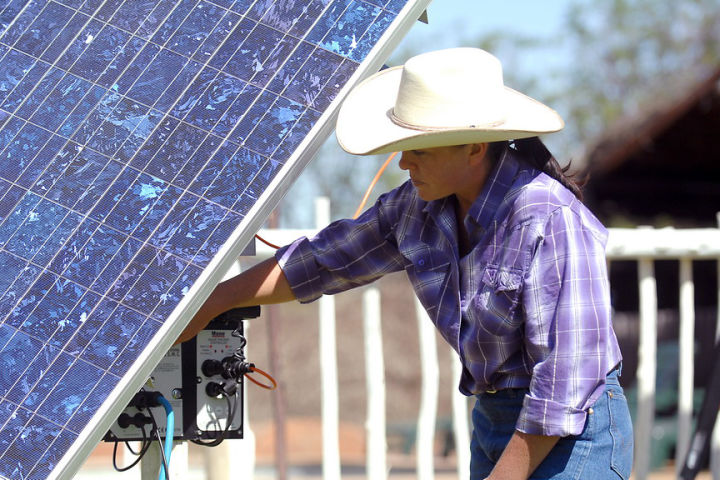
CJ James at Napperby Station.
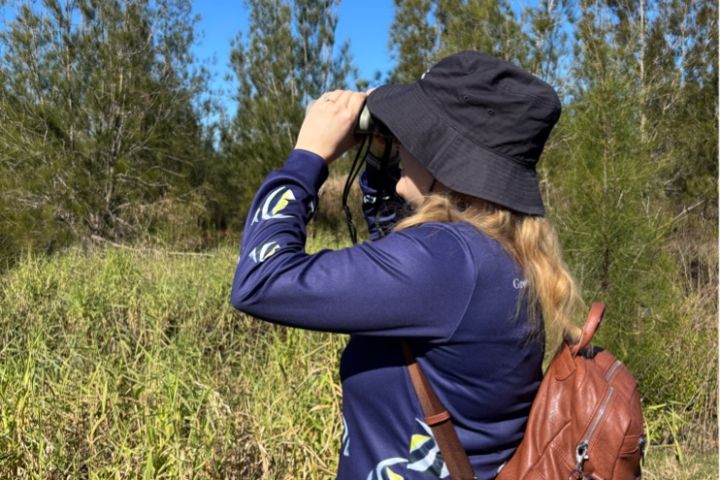
Julia Routh birdwatching in Sunshine Coast wetlands.
Reef Water Quality and Wetlands
Further inland, you might find Reef Wetlands Lead CJ James exploring how improving water quality and restoring coastal wetlands can benefit both local landholders and the Great Barrier Reef. Having spent the past four years working on water quality improvement through the Reef Trust Partnership, CJ can see how closely the health of the Reef is connected to the way we manage the land. It's a connection she also understands personally, having grown up living and working on cattle stations. “I believe a sustainable agriculture can coexist with a healthy Reef,” CJ says.
Joining CJ is Program Manager Julia Routh, who brings specialist wetlands expertise to the Foundation’s new Reef Wetlands Initiative. "Healthy wetlands act as natural filters, trapping sediment and nutrients before they reach coastal waters and the Reef,' said Julia. Together, CJ and Julia are working with landholders, Traditional Owners, researchers and regional partners to restore these vital habitats, improve Reef water quality and explore ways to make restoration a lasting, practical option for the people who care for and work on the land.
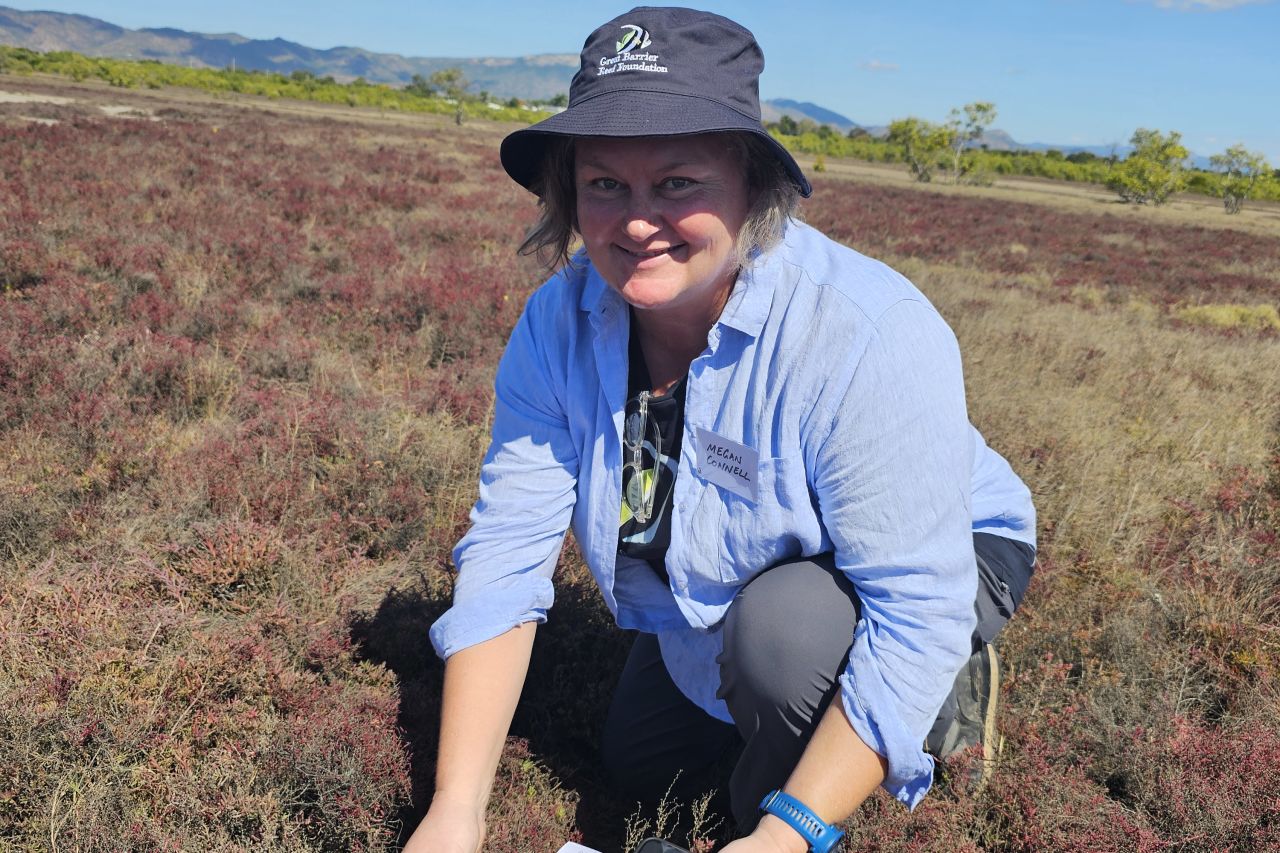
Program Manager Meg Connell in the field, monitoring salt scrub.
Coastal Communities
One of Meg Connell’s favourite Reef animals is the mudskipper, an unusual fish that lives between land and sea. Fittingly, as an Islands and Coasts Program Manager, she leads our work using eDNA to investigate fish in the rivers that flow into the Great Barrier Reef.
eDNA (Environmental DNA) might sound technical, but the concept is simple. Fish leave tiny traces of genetic material in the water, which can be sampled to identify the species present. This gives us a clearer picture of fish biodiversity and Reef catchment health, without needing to catch a single fish.

Explainers ·
Uncovering hidden species with eDNA
But Meg’s work is about more than the science. She wants local catchment users to get involved in collecting samples and building a better understanding of the waterways that connect their communities to the Reef. For Meg, the Reef is more than a biological ecosystem; it’s a human one, too. “People across Queensland are passionate about the Reef and their patch, whether you’re a Traditional Owner, a Reef catchment land manager, or just going fishing or snorkelling. We all love the Reef,” she says.
That connection is what makes community involvement so important. Rivers, wetlands, mangroves and seagrass meadows link land and reef, helping protect the wider ecosystem and providing a home for countless coastal critters, mudskippers included. By helping people understand these connections, Meg hopes to inspire more of us to play a part in protecting them.
Everyone loves coral, but what if we could get more people excited about mudskippers, too? Sometimes, the lesser-known critters are the start of a whole new appreciation of the Reef.
From restoring seagrass meadows and wetlands to protecting island habitats and bringing coastal communities into the picture, our Islands and Coasts team is working to make a difference where it counts. Because when our islands and coasts thrive, the Reef has a better chance of thriving, too.


