Blue-Ringed Octopus
Although tiny, this octopus packs a venomous punch and is known as one of the deadliest animals in the world.
Kingdom
Animalia
Phylum
Mollusca
Class
Cephalopoda
Order
Octopoda
Family
Octopodidae
Genus
Hapalochlaena
#Description
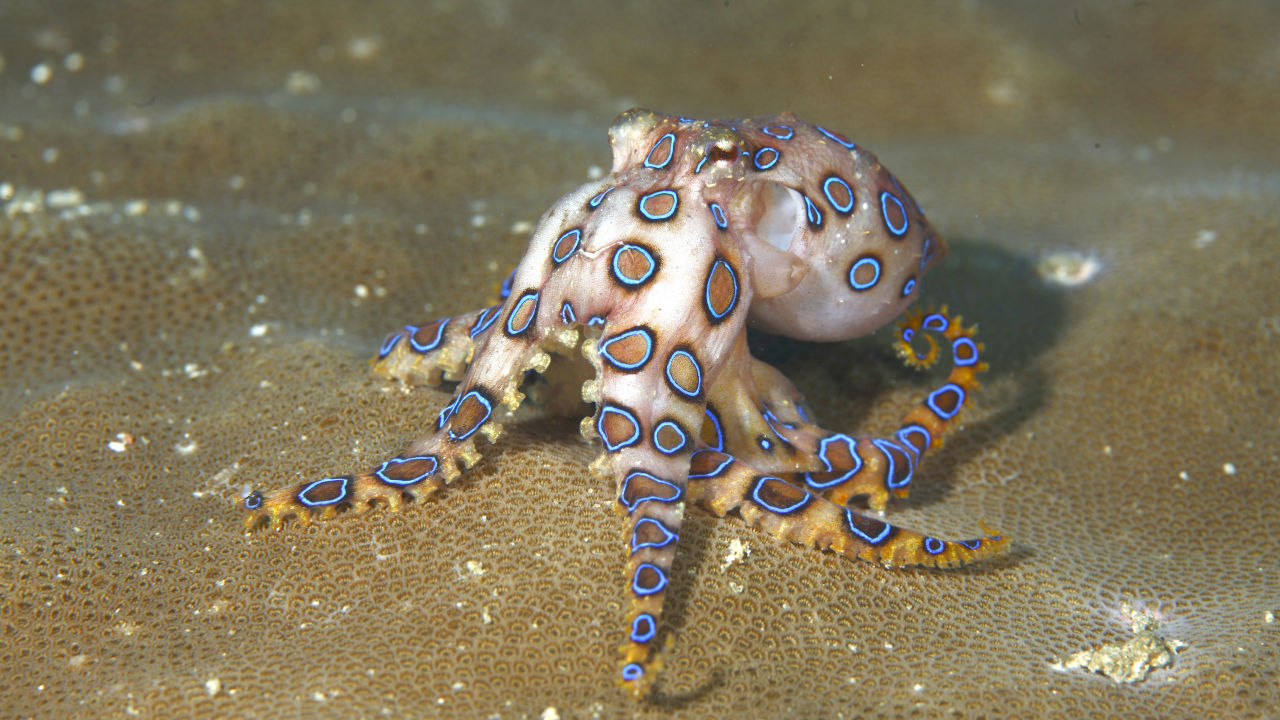
The blue-ringed octopus is a group of highly venomous species, easily recognised by their bright blue rings. Their body is about 4-6 cm, roughly the size of a golf ball, with an arm span of up to 20cm. They carry extremely potent venom but despite their reputation as one of the deadliest sea creatures in the world, fatalities are rare.
#Habitat and Diet
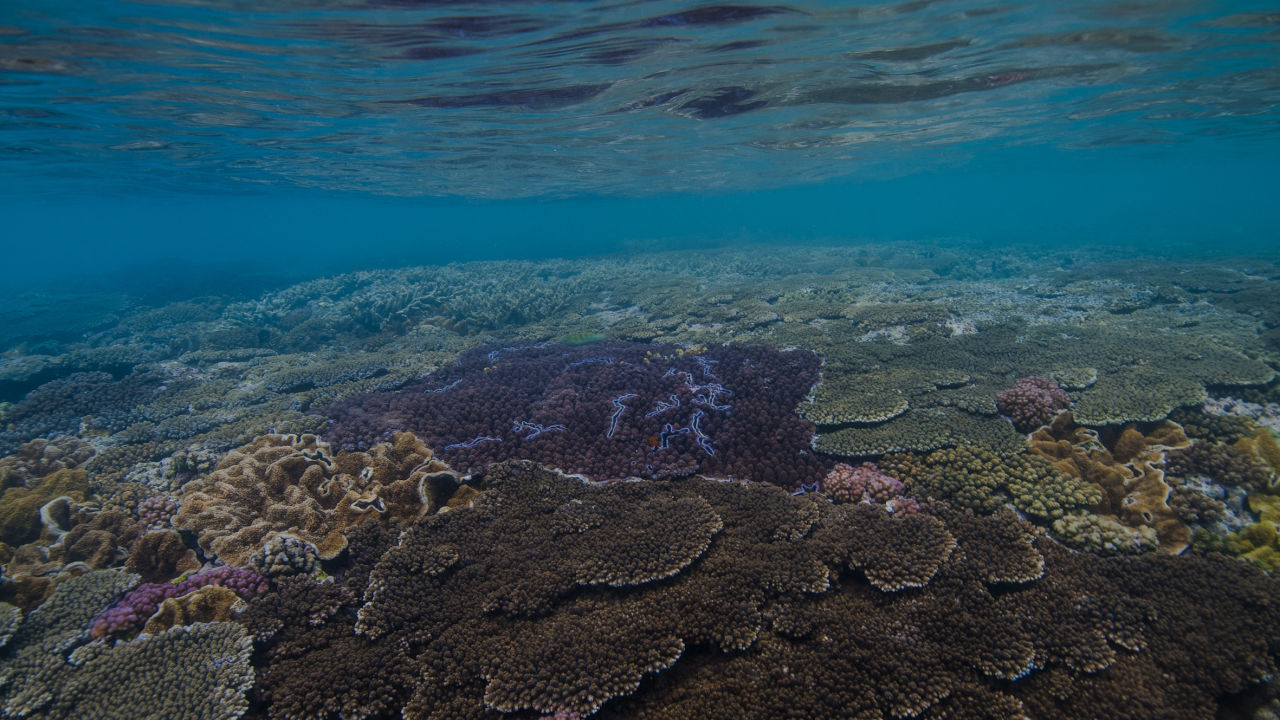
Blue-ringed octopuses live in warm coastal waters and can be found in sallow rock pools to depths of about 50 metres. They are masters of camouflage and flexibility, finding shelter in small crevices among the reefs, seagrass meadows and rubble.
They hunt mainly at night or at dusk, feeding on crustaceans, invertebrates, and small fish. Using camouflage, they ambush prey, seize it with their arms, and inject venom through a bite.
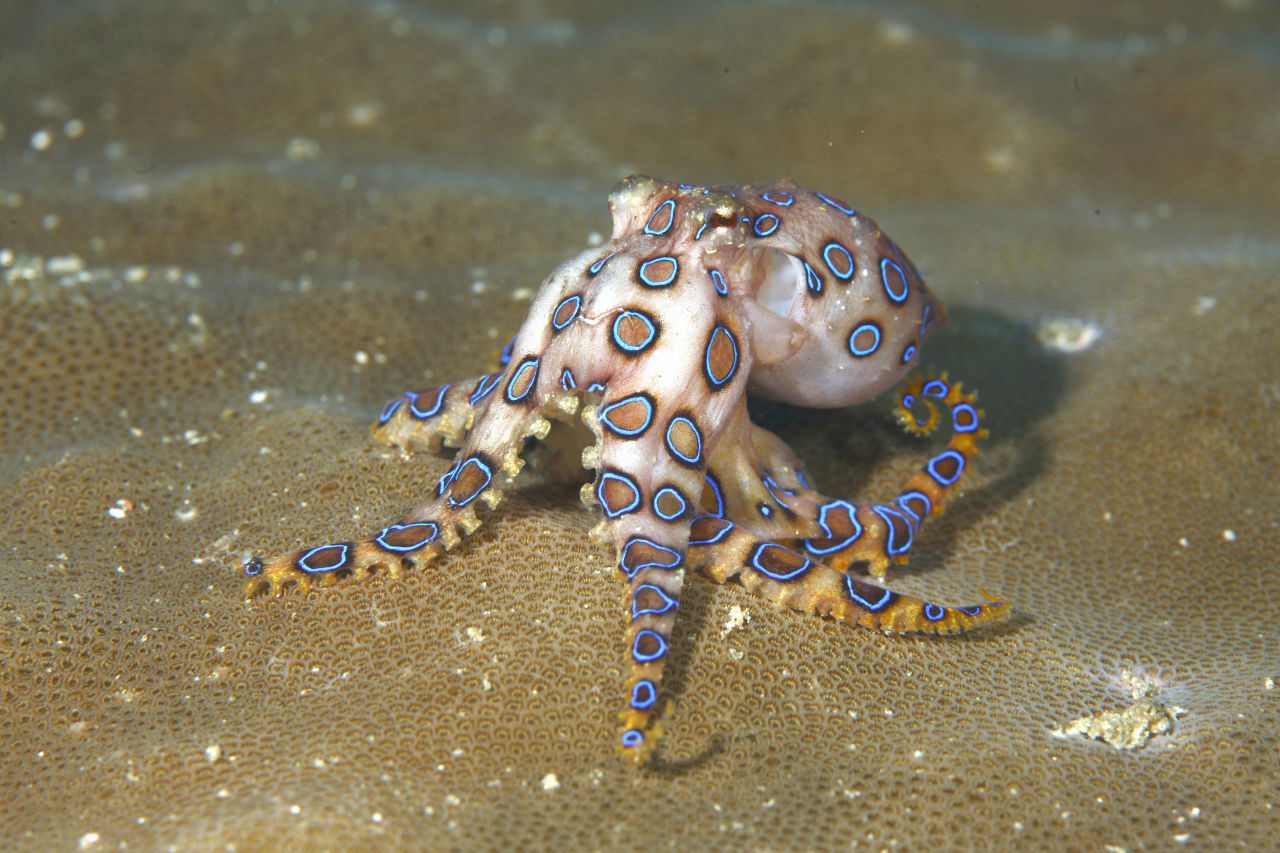
Blue-ringed octopus displaying bright blue warning rings while resting on coral reef surface
#Blue-ringed octopus facts
1.
Their venom contains tetrodotoxin, a powerful neurotoxin capable of causing paralysis and respiratory failure in humans.
2.
They are defensive rather than aggressive to humans. Bites are rare and usually occur when handled.
3.
The blue rings act as a warning display and intensify in colour when threatened or stressed.
4.
They have a single strong, parrot-like beak capable of piercing human skin.
#Behaviour and reproduction
A blue-ringed octopus reach maturity around one year of age. After mating, females lay between 50–100 eggs and brood them over several months. Like many octopus species, they forgo feeding during this incubation and die shortly after the eggs hatch.
#Threats
There are no immediate threats to this species but climate change, coastal development and pollution pose potential risks to their habitats.
#Blue-Ringed Octopus FAQs
Is the blue-ringed octopus deadly?
Yes. The blue-ringed octopus is considered one of the most venomous marine animals in the ocean. Its venom contains a powerful neurotoxin that can cause paralysis and respiratory failure in humans.
However, fatalities are rare. Bites typically occur only when the octopus is handled, stepped on, or disturbed. When threatened, it flashes its vivid blue rings as a warning display before biting.
How dangerous is blue-ringed octopus venom?
Blue-ringed octopus venom contains tetrodotoxin, one of the most powerful neurotoxins found in marine animals. This toxin blocks sodium channels in nerve cells, preventing signals from passing between nerves and muscles.
The venom can cause full-body paralysis within minutes. In severe cases, it can stop breathing while the person remains conscious. There is no known antidote treatment relies on supportive medical care, including assisted ventilation until the toxin wears off.
Although extremely dangerous, deaths are rare with rapid medical treatment.
What happens if a blue-ringed octopus bites you?
A blue-ringed octopus bite may not be painful at first sometimes only a small spot of blood is visible.
Within minutes, symptoms can develop and may include:
- Tingling around the mouth
- Nausea or dizziness
- Muscle weakness
- Difficulty speaking or swallowing
- Breathing difficulties
- Progressive paralysis
Symptoms can worsen quickly, so any suspected bite should be treated as a medical emergency. Call Triple Zero (000) immediately and follow pressure bandaging and immobilisation guidelines.
#Marine Bites and Stings Guide
For detailed first aid advice on blue-ringed octopus bites and other marine stings, read our complete Marine Bites and Stings Guide.
This guide outlines official first aid steps, including pressure bandaging and immobilisation techniques, and when to call for emergency assistance.