Threats
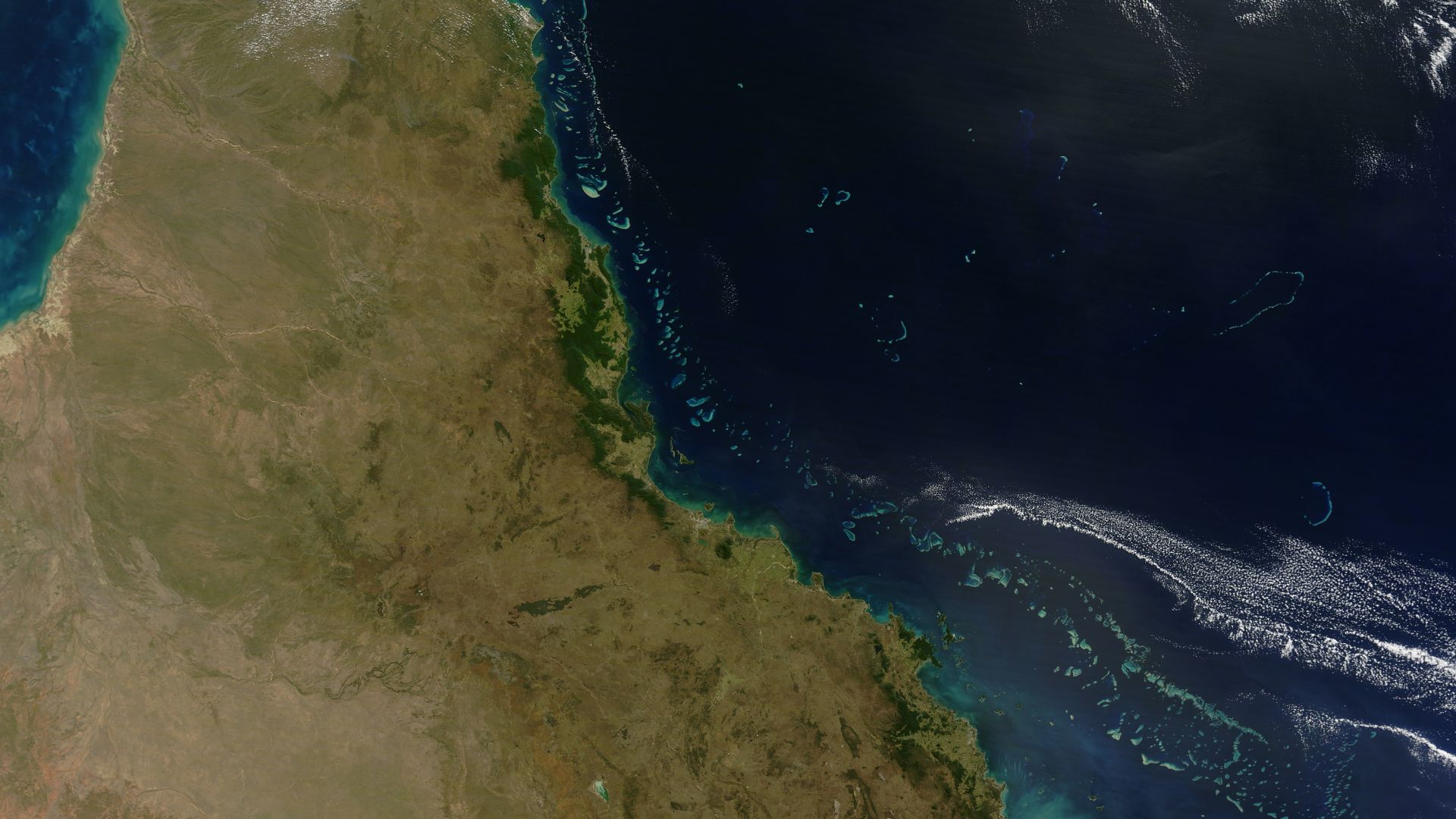
Climate change is the greatest threat facing the Great Barrier Reef and a challenge we must all tackle together.
The growing combination of rising water temperatures, poorer water quality from sediment run-off and pollution, as well as more severe cyclones and crown-of-thorns starfish outbreaks, are just some of the threats creating a perfect storm for our reef and the iconic animals that depend on it.
#The Major Threats Facing the Great Barrier Reef
Climate change
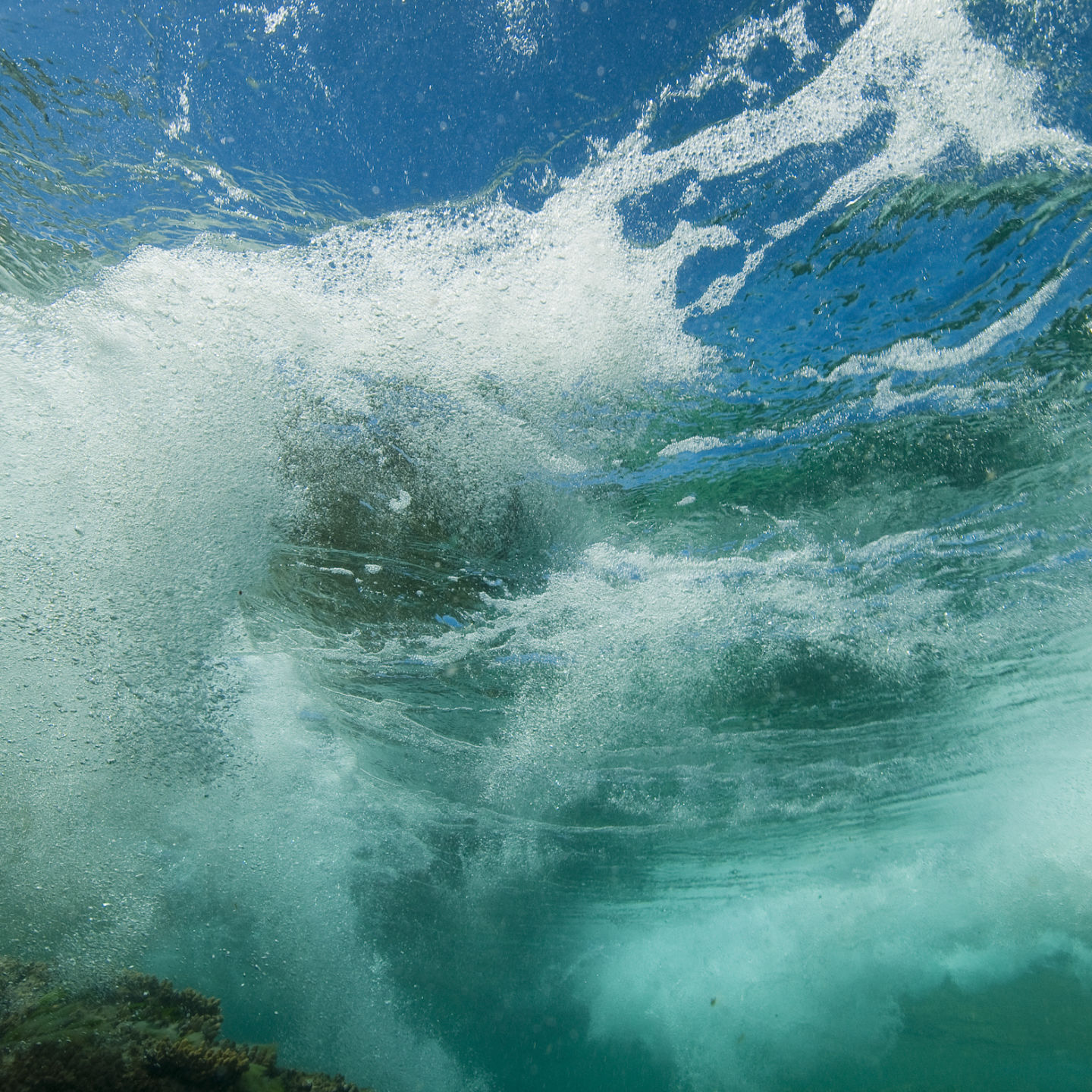
Climate change is the greatest threat to the Great Barrier Reef, threatening its very existence.
Coral Bleaching
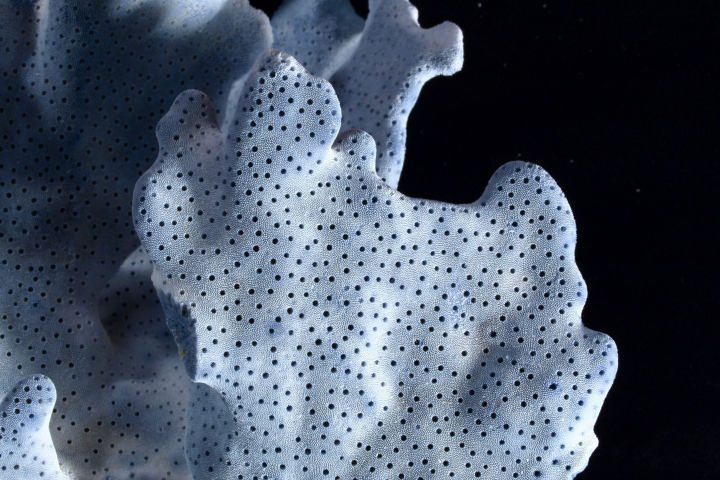
Over the past two decades, the Great Barrier Reef has experienced several widespread coral bleaching events, including five mass bleaching events in the last eight years.
Water quality
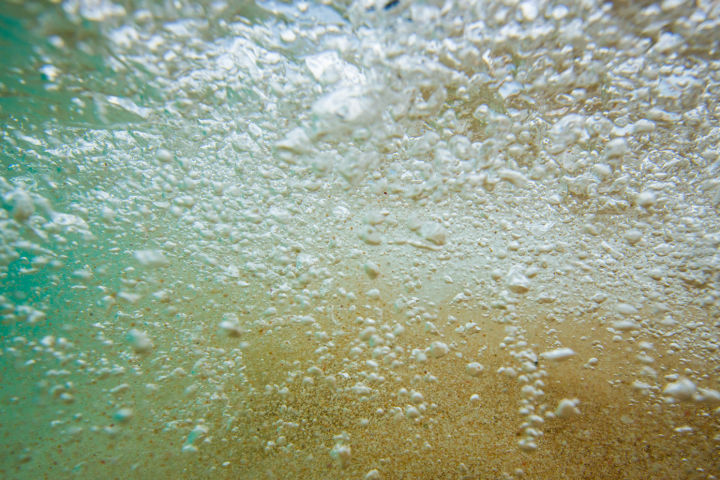
Increasing sediment, nutrients and contaminants, combined with rising sea temperatures and ocean acidification are damaging the Reef.
Crown-of-Thorns Starfish
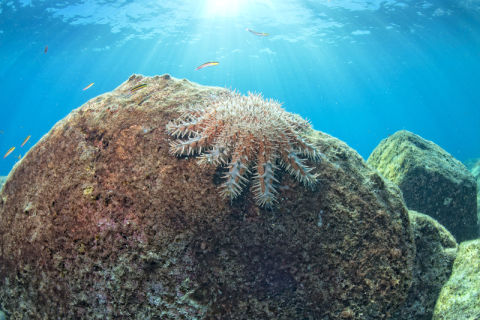
When the coral-eating starfish appear in outbreak proportions, the impact on coral reefs can be disastrous.

Coastal development
As Queensland continues to grow, so does development along the coast and islands adjacent to the Great Barrier Reef Region.

El Niño
This climate pattern causes unusual warming of surface waters in the eastern Pacific Ocean, placing corals at risk.
#Reef Threats FAQs
What are the biggest threats to the Great Barrier Reef?
Climate change is the greatest threat facing the Great Barrier Reef, intensifying a range of pressures that are placing unprecedented stress on the ecosystem.
Rising ocean temperatures, declining water quality from sediment run-off and pollution, more severe cyclones, and outbreaks of crown-of-thorns starfish are combining to create a perfect storm for the Reef and the iconic species that depend on it.
Is climate change the main threat to the Great Barrier Reef?
Climate change is the greatest long-term threat to coral reefs in Australia and around the world, driving rising ocean temperatures, coral bleaching and more extreme weather events.
What is coral bleaching?
Coral bleaching occurs when corals are stressed by environmental changes, most commonly elevated ocean temperatures.
In response, corals expel the microscopic algae that provide them with most of their energy through photosynthesis, causing them to turn white and become significantly weakened.
Coral reefs can recover from bleaching over time when temperatures drop and conditions return to normal, but recovery is becoming increasingly difficult as marine heatwaves grow more frequent and severe.
How does poor water quality damage coral reefs?
Poor water quality damages coral reefs when sediment, nutrients and contaminants from land-based run-off enter Reef waters, placing stress on corals and reducing their ability to grow and recover. Coral reefs, and the ecosystems they sustain, depend on the quality of the water within and around them.
What are crown-of-thorns starfish and why are they a problem?
Crown-of-thorns starfish (COTS) are native coral-eating starfish that feed by digesting coral tissue. When they appear in outbreak proportions, their impact can be disastrous for coral reefs.
#Repair a Reef
The Great Barrier Reef is under more pressure than ever. Rising temperatures, cyclones, and compounding threats are pushing it to its limits but proven solutions are already working in the water. Your donation today helps scale them further, faster.